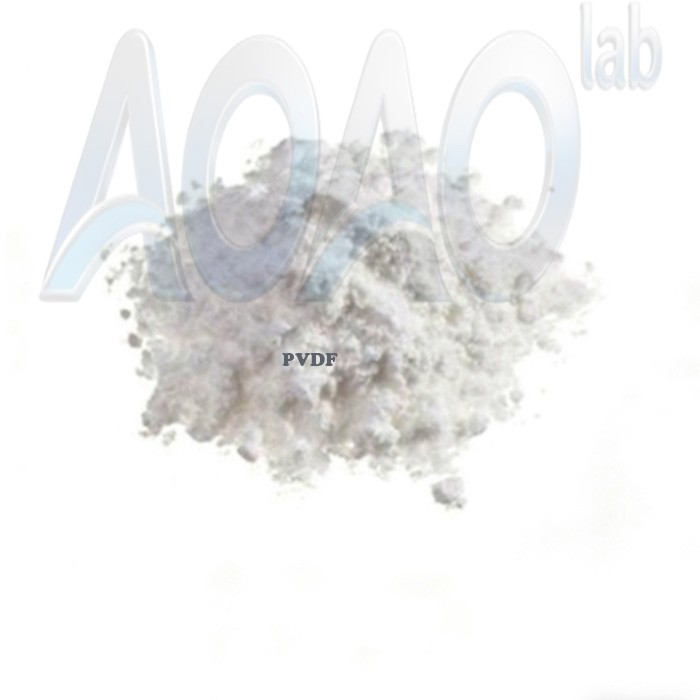
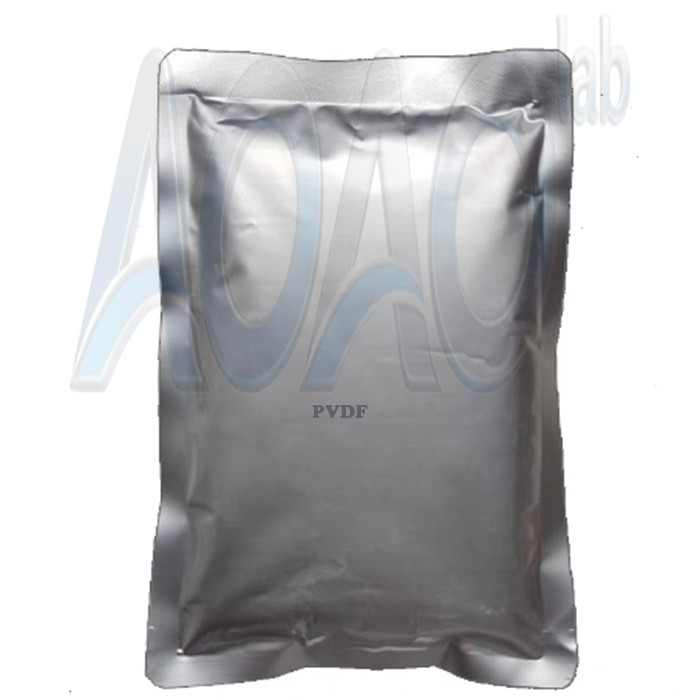
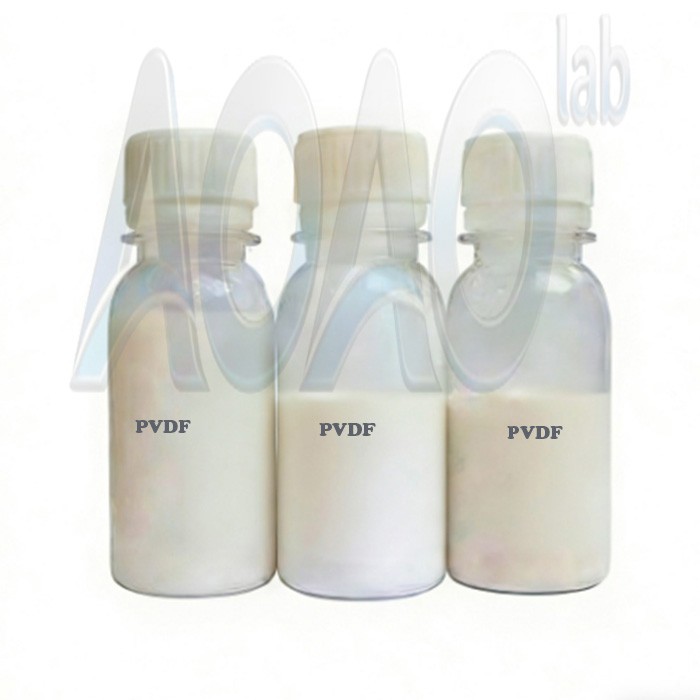
PVDF Binder For Battery
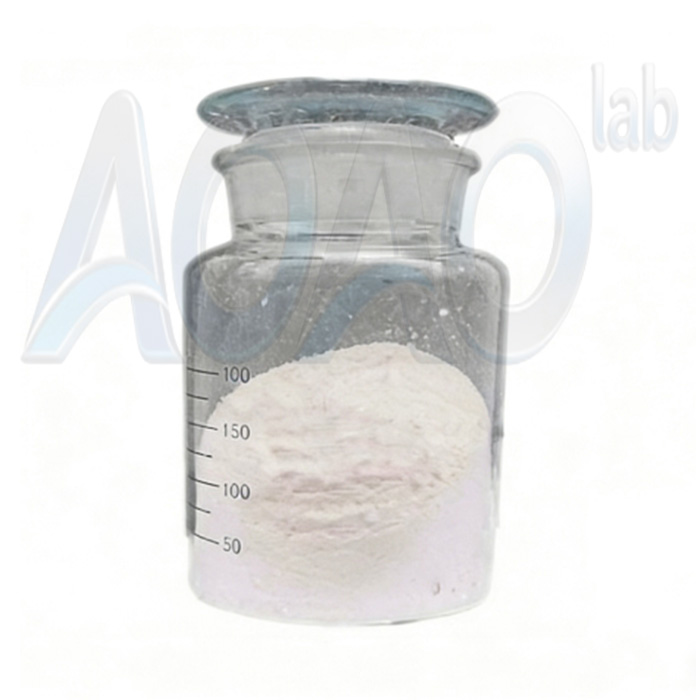
This AOAO-PVDF-770 PVDF binder is especially suitable for high-nickel materials and sodium-ion batteries. It can solve the gel problem when mixing the slurry. In addition, it can also soften
Brand:AOAO NEW ENERGY
Item No:AOAO-PVDF-770
Order(Moq):1 bag
Payment:L/C,T/T
Product Origin:China
Color:white
Shipping Port:XIAMEN
PVDF Binder For Battery
This AOAO-PVDF-770 PVDF binder is especially suitable for high-nickel materials and sodium-ion batteries. It can solve the gel problem when mixing the slurry. In addition, it can also soften
SPECIFICATIONS
Feature
AOAO-PVDF-770 is a fluoropolymer binder for electrodes in lithium-ion battery.
It is especially suitable for high-nickel materials and sodium-ion batteries.
It can solve the gel problem when mixing the slurry. In addition, it can also soften the battery electrode.
This binder shows better alkali resistance as compared with standard PVDF binders. Therefore, it has long-term stability with electrode slurry using strong alkaline active materials such as NMC811 and NCA, which enables stable coating in the electrode process.
This binder also applies the great flexibility on electrodes. It achieves high electrode density, and can contribute to high battery capacity.
PVDF (polyvinylidene fluoride) is a semi-crystalline polymer with excellent chemical stability, mechanical strength and heat resistance. As a battery binder, PVDF is widely used in battery manufacturing, especially in lithium-ion batteries, to fix active materials, conductive agents and current collectors to ensure the integrity of the electrode structure.
The role of PVDF in batteries
Binder function
PVDF bonds the active material (such as LiCoO₂, LiFePO₄ of the positive electrode or graphite of the negative electrode) and the conductive agent (such as carbon black) to the current collector (aluminum foil or copper foil) to prevent the material from falling off during charging and discharging.
Chemical stability
PVDF exhibits good chemical inertness in the battery Electrolyte, can resist the corrosion of the Electrolyte, and extend the battery life.
Mechanical strength
PVDF provides sufficient mechanical strength to prevent the electrode from cracking or falling off due to volume changes during charging and discharging.
Thermal stability
PVDF's high temperature resistance helps the battery remain stable in high temperature environments and improves safety.
Ionic conductivity
PVDF itself is not conductive, but by adding plasticizers or compounding with other materials, it can improve ionic conductivity and optimize battery performance.
Application in battery research and manufacturing
Electrode preparation
PVDF is used as a binder, mixed with active materials and conductive agents, and then coated on the current collector. After drying and calendering, it forms an electrode sheet.
Battery performance optimization
By adjusting the molecular weight, concentration and processing technology of PVDF, the bonding strength and conductivity of the electrode can be optimized to improve battery performance.
New battery development
PVDF is also used as a binder or electrolyte matrix in new batteries such as solid-state batteries and lithium-sulfur batteries, promoting the advancement of battery technology.
Properties | Typical Value | Test method |
Physical | ||
Specific Gravity | 1.76 - 1.79 | ASTM D792 |
Molecular Weight※1 | 1.5- 2.0×10⁶ | GPC |
Water Absorption※2 | <0.2% | ASTM D543 |
Mechanical | ||
Tensile Modulus※3 | 600 to 800 MPa | ASTM D638 |
Viscosity | ||
Solution Viscosity※4 | 1140 to 2250 mPa・s | B-type viscometer |
Intrinsic Viscosity※5 | 0.25 to 0.32 l/g | Ubbelohde viscometer |
Thermal | ||
Melting Point※6 | 163 to 173oC | DSC |
Glass Transition Temperature※7 | -30 to -40oC | DSC |
Heat of Fusion※7 | 45 to 55 J/g | DSC |
Peak Crystallization Temperature※8 | 135 to 145oC | DSC |
Thermal Stability※9 | >370oC | TGA |
Electrical | ||
Surface Resistivity※10 | >1.0E+14 ohms | JIS K6911 |
Volume Resistivity※10 | >1.0E+14 ohms・cm | JIS K6911 |
Weight loss on heat | ||
Volatile※11 | 0.1 wt% MAX | Daikin's method |
※1. Molecular weight data were obtained by Gel permeation Chromatography in dimethylformamide. (40℃) ※2. 23 ℃, 24hr ※3. The test sample is a press sheet at 250℃. Thickness: 2 mm , Dumbbell TypeⅣ, Speed: 50mm/min ※4. B-type viscometer, Rotor no.THM-13, 12rpm, 25 ℃ ※5. DMF, 30 ℃, Ubbelohde viscometer ※6. Heating rate: 20℃/min, Main peak ※7. Heating rate: 20℃/min ※8. Cooling rate: 20℃/min, Main peak ※9. @ 1% weight loss ※10. Film thickness: 35 mm, After 5 min, 500V @23℃, 30%RH ※11. Weight loss after heating for 2 hours at 150℃ |
INQUIRY
CATEGORIES
- Battery Materials
- Sodium Ion Battery Production Li
- Solid State Battery Equipment
- Battery Production Line
- Coin Cell Lab Equipment
- Electrode Preparation
- Pouch Cell Assembly Equipment
- Cylindrical Cell Assembly Machin
- Prismatic Cell Assembly Machine
- Glove Box
- Lab Furnace
- Ball Mill for Lab
- Laboratory Equipment
- Lithium Battery Production Plant
- Battery Tester
- Press Machine
- Supercapacitor Equipment
- Prismatic Battery Pack Equipment
- 18650 Battery Pack Assembly Equi
- Cylindrical Battery Pack Machine
LATEST NEWS
CONTACT US
Contact: Lily Zhao
Phone: 15880250943
E-mail: Lily@aoaolab.com
Whatsapp:8615880250943
Add: No. 208, Binghu Erli Road, Haicang District, Xiamen city, China